

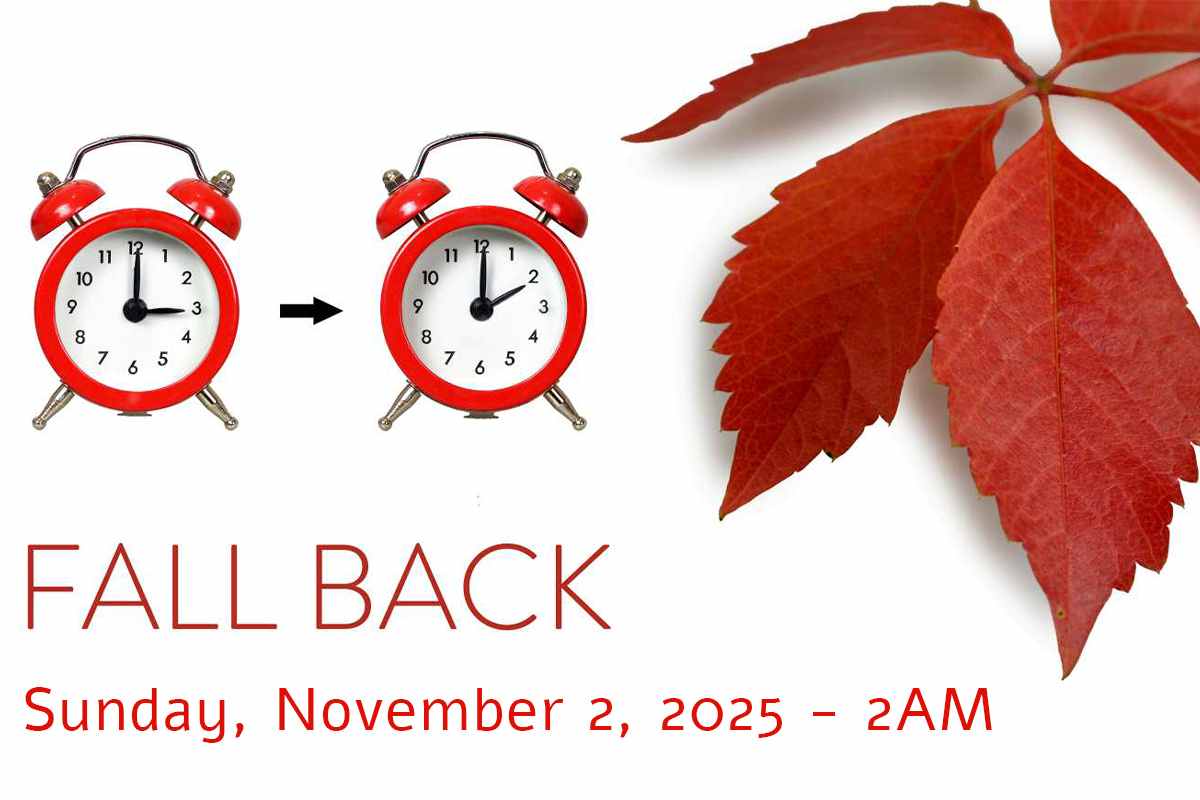

As we approach late 2025, it’s time once more for the familiar ritual of setting the clocks back: the end of Daylight Saving Time (DST). Here’s a short overview of the “fall-back” change, why it happens, and what to expect.
In the United States, daylight saving time will end at 2:00 a.m. on Sunday, November 2, 2025, when clocks are set back one hour (so 2:00 becomes 1:00 a.m.). So, on the night of Saturday, November 1, many people will go to bed and wake up having “gained” an hour of sleep—thanks to the clocks turning back.
What the change means
- After the change, sunrise and sunset times will both shift about one hour earlier compared to the previous day. In simple terms: mornings get lighter sooner, evenings get darker sooner.
- The time change signals the end of the “daylight saving” period and a return to “standard time” for the winter months.
Why we do it
The practice of moving clocks back in the fall (and forward in the spring) stems from an effort to better align daylight hours with typical waking hours.
Historically, it began in the U.S. during wartime and was standardized in later decades.
While modern studies show the energy-saving benefits are modest and the practice is increasingly debated, the rhythm of “spring forward, fall back” remains embedded in U.S. time-keeping.
Tips for adjusting
- Use the extra hour wisely: if you go to bed earlier on the night before, your body may adjust more smoothly.
- Be aware that with evenings getting darker earlier, evening activities may feel different (for example, driving home in darker conditions).
- Use the time change as a reminder to check things like smoke alarm batteries, and adjust routines that depend on light (walking the dog, after-work errands).
- Many devices will update automatically, but check manual clocks, oven timers, car stereos, etc.
A note on the bigger picture
There’s growing momentum in many states and at the federal level to reconsider whether the twice-yearly clock change should continue. Some advocate for “permanent daylight saving time,” others for “permanent standard time.” But until such legislation passes, we’ll keep falling back in November.
So, this November 2, remember: “fall back” — set your clocks back one hour and enjoy the extra sleep… and a somewhat earlier dusk.