

By Karen Weeks |
There’s a point where the house you’ve lived in for years starts feeling a bit… off. It’s not that you don’t love it anymore. It’s just that little things—like the way you have to stretch your leg just so to reach that bottom stair—start catching your attention more often. If you’re someone who wants to age in place, now’s the time to get honest about what your home needs to keep up with you. Waiting until after a fall, a scare, or a costly fix? That’s when it becomes urgent, and expensive. There’s more breathing room if you start planning home changes ahead—even if it’s just making a list and poking around your local hardware store.
Getting In Without a Struggle
Let’s talk front doors. Or back doors. Or the side ones you use because the front steps got too steep. However you come and go, the day might come when a couple of stairs become a barrier, not just an inconvenience. That doesn’t mean you need a full ramp tomorrow. It means you start noticing your options now—threshold leveling, railings that don’t wobble, or even zero‑step entrance and ramp options that blend right into the porch design. The point is not to wait until you’re using a cane or walker to find out that one threshold lip could cause a face-first disaster.
Bathrooms That Don’t Betray You
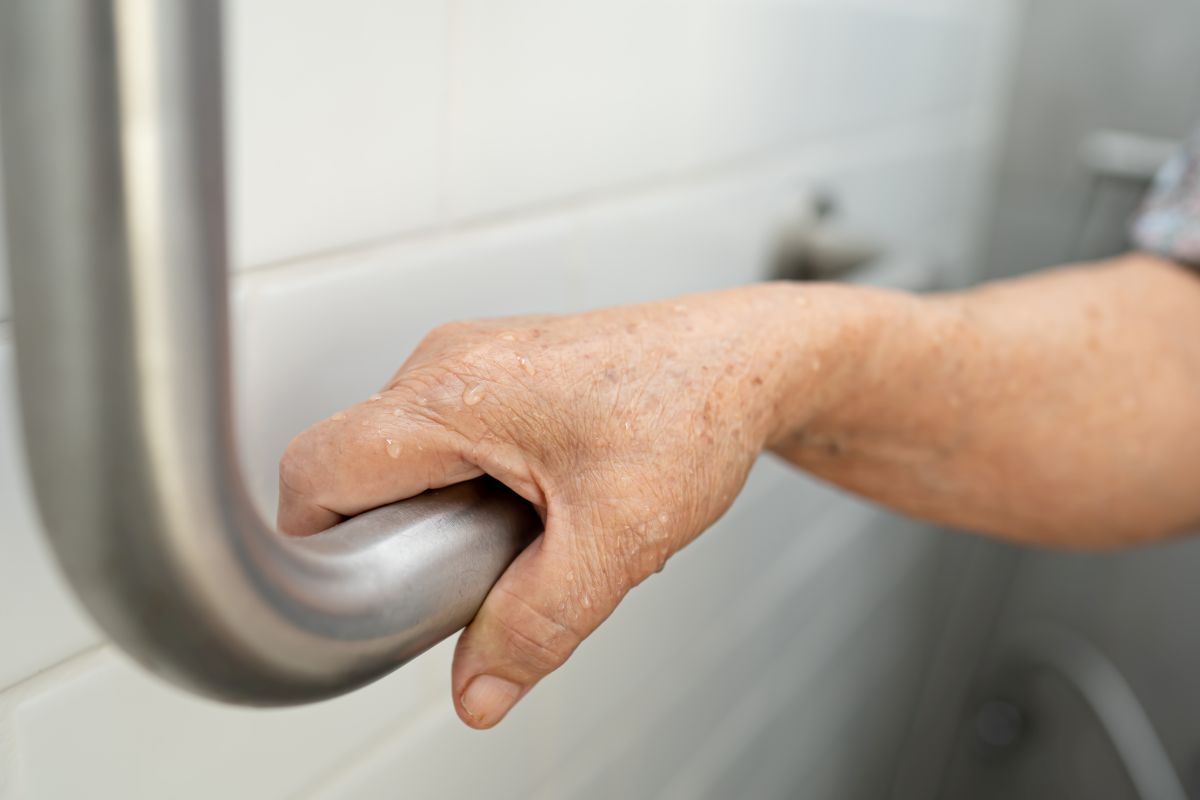
You know what hurts more than a bruised hip? The humiliation of slipping in your own bathroom. It’s small, wet, tiled, and dangerous—basically the perfect storm. And if the towel rack is the only thing nearby to grab, chances are it’ll snap right off. So what are the non-negotiables? Grab bars and non‑slip surfaces are top of the list. These upgrades don’t scream “nursing home,” either. A brushed steel bar that matches your fixtures? Sleek. Same goes for higher toilets and walk-in showers. They’re the kinds of things you won’t miss until you need them—and by then, they better already be there.
The Surprise Costs You Don’t Expect
Here’s one more reality check: your house isn’t just aging with you. It’s aging on its own schedule. That A/C unit? The water heater? The fridge that suddenly won’t stay cold? Those failures don’t care what kind of week you’re having. For older homeowners especially, dealing with unexpected home system repairs can throw off more than a budget (give this a read). It’s stress, time, and effort you may not have. That’s where home warranties can sometimes help, covering the stuff your insurance won’t touch—things like repairs to your electrical systems or appliances when they break down from everyday use. Just be sure you know what’s covered and what’s not.
Small Fixes That Quietly Change Everything
Here’s the thing no one tells you: You don’t notice how many knobs you twist, switches you flip, and cabinets you open in a day—until your hands start complaining. Arthritis doesn’t care if your faucet looks pretty. That’s where lever handles and smart‑home aids come in. A motion light in the hallway. A door handle that doesn’t require a wrist twist. A voice assistant to turn off the lights or remind you it’s time for meds. These are the tiny shifts that don’t feel like a big deal—until suddenly, they are. It’s not about turning your house into a gadget showroom. It’s about making sure your body doesn’t have to fight your home every day.
How to Make the Budget Work
Let’s be blunt: these changes cost money. Even the little ones add up. But there are ways to stretch a dollar without sacrificing safety. Instead of going straight to custom contractors, look for affordable modification solutions already being used by seniors in similar situations. Some nonprofits provide labor. Some utility companies subsidize safety-related upgrades. In many areas, you can find grants, not loans. The trick is to start researching before it’s a crisis. Nobody makes good decisions when the plumber’s already ringing the bell and you’re half-dressed with a flooded tub.
Durability and Support Down the Road
You’re not just renovating for now. You’re laying the groundwork for what happens five or ten years from now. And no, this isn’t about predicting exactly what you’ll need—nobody has that kind of crystal ball. But certain updates now make it easier to bring in future supportive services for aging in place. Think wider doorways that accommodate not just walkers but maybe a rolling cart with groceries. Or a kitchen layout that leaves room for a helper without bumping elbows every five minutes. The goal isn’t to future-proof everything—it’s to stop making decisions that box you in later.
This Isn’t About Fear—It’s About Freedom
Making these changes doesn’t mean you’re giving in. It means you’re taking control. You’re the one setting the pace, deciding what stays, what goes, and what gets updated. You’re shaping the space that’s going to carry you through the next chapter—not because you have to, but because you get to. Planning now means less scrambling later. And honestly, doesn’t it feel better knowing you’ve already started?