
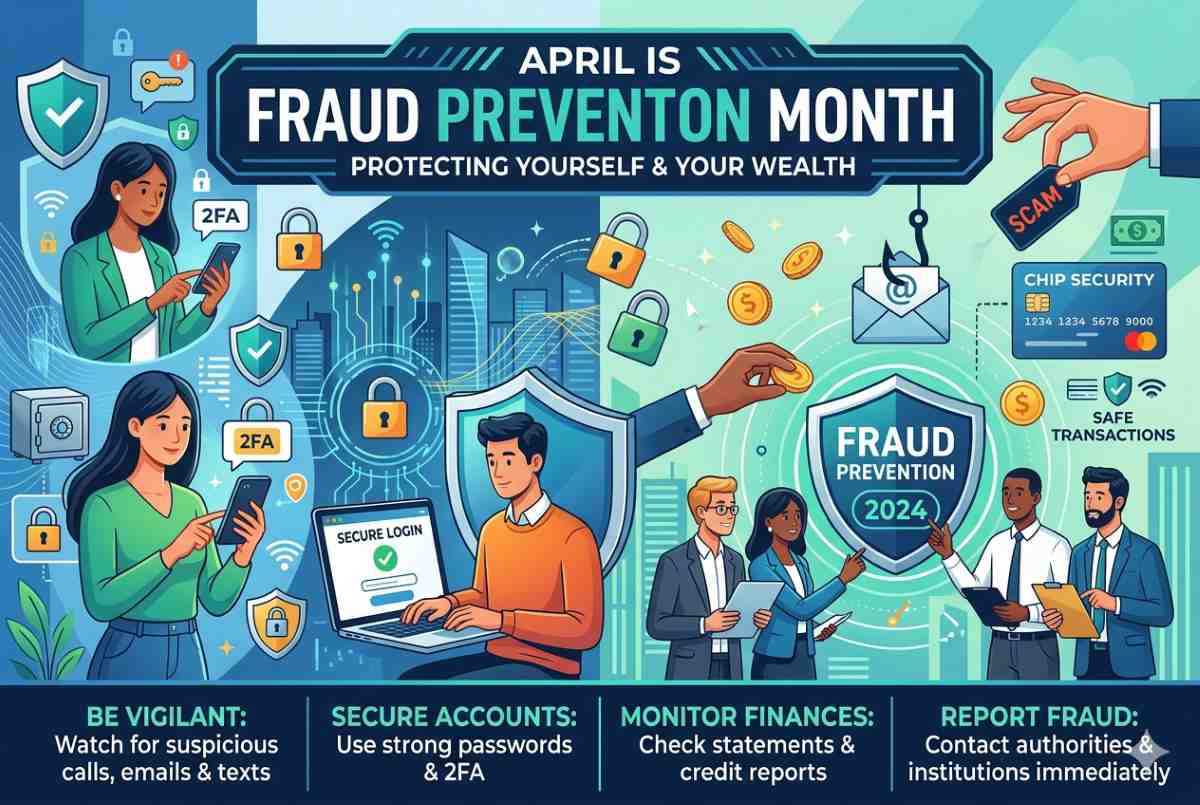

The Ohio Department of Aging (AGE) recognizes April as Fraud Prevention Month with an eye toward increasing awareness of scams to help reduce older Ohioans’ fear of fraud, intimidation, or exploitation.
An AGE press release states that Ohio is home to more than 2.8 million older adults and as scams become more sophisticated, today’s technology makes it easier for criminals to steal personal information, drain accounts, or trick people into unwillingly committing fraud. AGE provides some examples of scams:
- Phishing emails and unsolicited texts or phone calls asking for banking, credit card or other financial information.
- Fraudsters trying to get older adults to convert retirement assets into so-called “safer, guaranteed investments.”
- Imposters or hackers posing as friends or family members, asking older adults to send money immediately, usually by email or social media.
AGE alerted Ohioans in March 2026 about reports of a phone scam involving individuals falsely claiming to represent the Golden Buckeye program. Residents reported receiving unsolicited calls from scammers attempting to obtain personal information, including protected data such as Social Security numbers. These calls are not from the Ohio Department of Aging.
“Fraud targeting older Ohioans isn’t just a financial threat, it’s an attack on their security and peace of mind,” said AGE Director Ursel McElroy. “Protecting older adults from scams is a responsibility we take seriously. When we empower people with the tools to recognize and report fraud, we help ensure that every older Ohioan can age with confidence and safety.”
Ohioans can report scam attempts to the Federal Trade Commission at reportfraud.ftc.gov or the Ohio Attorney General’s Office at inquiries.ohioattorneygeneral.gov. Anyone who believes they may have been a victim of a scam should contact their local law enforcement agency.
The Ohio Department of Commerce is also a great resource for information and tips about how to avoid fraud.
The Ohio Department of Aging/AGE serves and advocates for the needs of Ohioans age 60 and older, as well as their families, caregivers, and communities. Programs include home and community-based long-term supports and services, as well as initiatives to promote health and wellness throughout the lifespan. Visit www.aging.ohio.gov.