
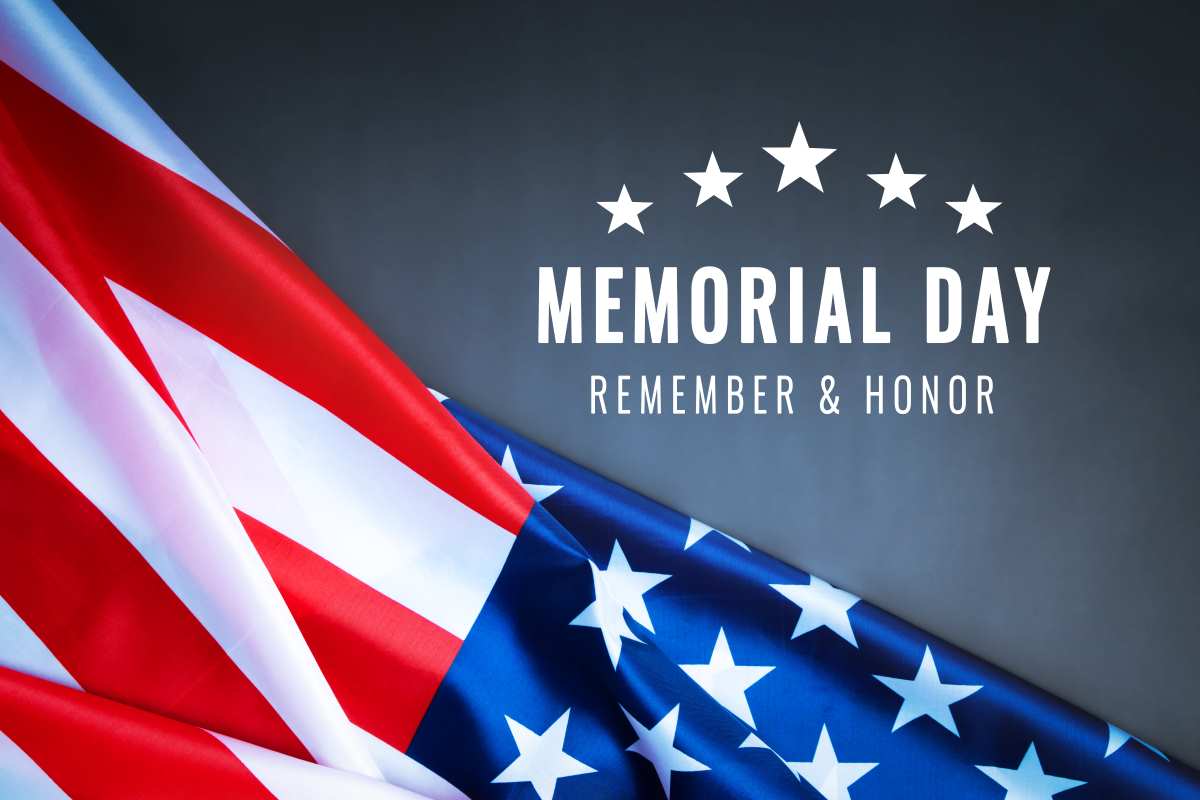

Memorial Day is one of the most meaningful national holidays in the United States. Observed each year on the last Monday of May, the holiday is dedicated to remembering and honoring the men and women of the U.S. military who died while serving their country. It is both a solemn day of remembrance and a time when families and communities gather together in gratitude for the freedoms protected through military sacrifice.
The Origins of Memorial Day
Memorial Day began after the American Civil War, a conflict that claimed more American lives than any other war in the nation’s history. In the years following the war, communities across the country started holding ceremonies to honor fallen soldiers by decorating their graves with flowers, flags, and wreaths. Because of this tradition, the holiday was originally known as “Decoration Day.”
One of the earliest large observances took place on May 30, 1868, when General John A. Logan, leader of a Union veterans’ organization, called for a nationwide day of remembrance. The date was chosen because flowers would be blooming across much of the country.
Over time, the holiday expanded to honor all American military personnel who died in service, not only those from the Civil War. Following World War I, Memorial Day became a national occasion to remember fallen service members from every American conflict.
In 1971, Memorial Day officially became a federal holiday and was set to be observed on the last Monday in May, creating a three-day weekend for many Americans.
What Memorial Day Represents
At its heart, Memorial Day is a day of reflection, gratitude, and national remembrance. Americans pause to recognize the sacrifices made by soldiers, sailors, airmen, Marines, guardians, and other service members who gave their lives in defense of the country.
The holiday also serves as a reminder of the cost of war and the importance of honoring those who served with courage and dedication.
How Memorial Day Is Celebrated
Many families visit cemeteries, military memorials, and monuments to place flowers and flags on graves. National cemeteries often hold formal ceremonies featuring speeches, prayers, and military honors.
Cities and towns across the United States organize Memorial Day parades featuring veterans, military groups, marching bands, and civic organizations. These parades celebrate patriotism while honoring fallen heroes.
At 3:00 p.m. local time on Memorial Day, Americans are encouraged to pause for one minute in silence during the National Moment of Remembrance. This tradition invites people across the country to reflect on the sacrifices of military service members.
The American flag is traditionally flown at half-staff from sunrise until noon to honor the fallen. At noon, the flag is raised to full staff to symbolize the nation’s resolve and perseverance.
Many people spend the holiday weekend with family and friends, often holding cookouts, picnics, or outdoor gatherings. While these activities are festive, they are also seen as part of enjoying the freedoms secured through military sacrifice.
Memorial Day Today
Today, Memorial Day remains one of America’s most important patriotic observances. It combines remembrance, respect, and national unity while encouraging citizens to reflect on the service and sacrifice of those who died protecting the country.
Whether through attending a ceremony, visiting a memorial, or simply taking a quiet moment of reflection, Memorial Day continues to remind Americans of the courage and dedication of the nation’s fallen heroes.