
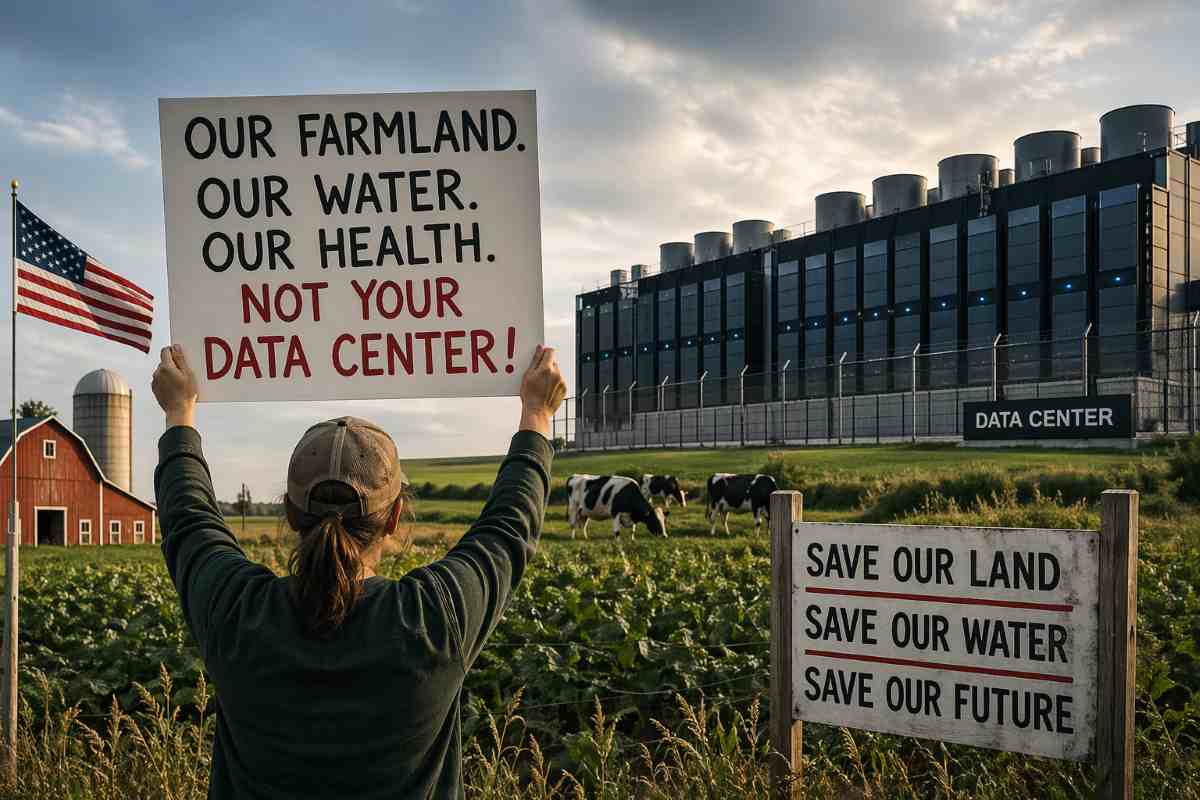

Across Ohio and increasingly in rural counties like Darke County, a determined resistance is taking shape. At the center of the debate are large-scale data centers—massive facilities powering cloud computing, artificial intelligence, and digital infrastructure. While often promoted as symbols of economic growth and technological progress, many local residents see a different reality unfolding on the ground.
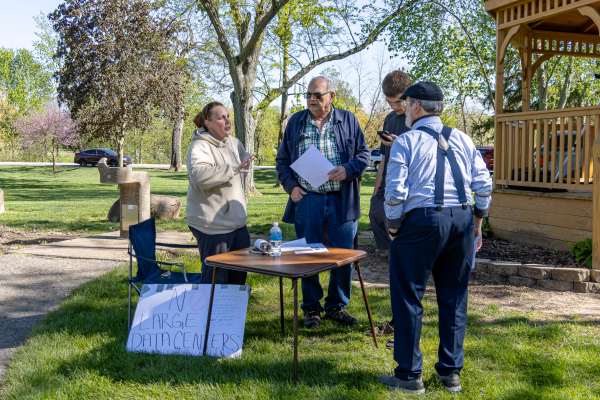
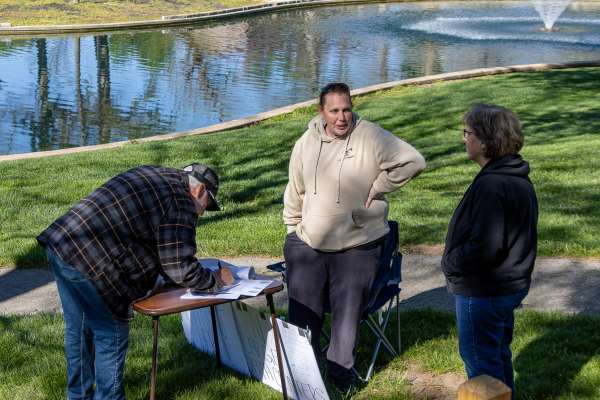
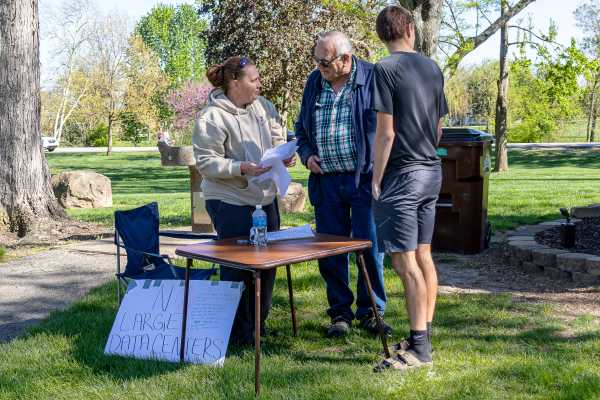
In Darke County, engaged citizens are actively collecting signatures to challenge or slow the expansion of data centers. In Facebook Groups like “You’re probably From Greenville, OH if…..” and other Community Groups petition drives are organized, updates about upcoming events are shared. If you have any questions or need information about signing events, contact Jacqui via Facebook messenger at her profile.
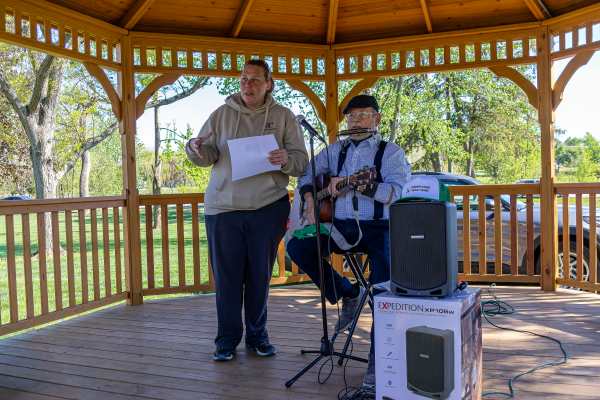
On Monday there was a sign-up event at the Gazebo in the Greenville City Park with T Ora Finneran performing his new song “Where has all the Farmland gone” (see video at the end of the article).
Other important links:
Facebook-Group “Ohio Residents For Responsible Development”
What you need to know about “Data Centers” and what YOU can do.
The Cost Beneath the Cloud
Data centers require vast tracts of land, and in agricultural regions, that land is often productive farmland. Ohio has already experienced a steep decline in agricultural and woodland acreage, losing over one million acres in the past two decades. According to the 2022 Census of Agriculture, more than 300,000 acres disappeared between 2017 and 2022 alone—a pace described as a “rapid acceleration.” In Darke County, estimates suggest that over 5,000 acres of farmland have been lost in recent years.
For many residents, this is not just about land use—it’s about identity, food security, and long-term sustainability. Once farmland is converted into industrial infrastructure, it is effectively gone for generations.
Rising Costs for Local Communities
Beyond land loss, residents are raising alarms about skyrocketing utility costs. Data centers consume enormous amounts of electricity, often requiring upgrades to local power grids. These infrastructure investments are frequently subsidized or offset through rate structures that can shift costs onto everyday consumers.
Water usage is another major concern. Data centers rely heavily on water for cooling systems, sometimes drawing millions of gallons per day. In rural areas, this can strain aquifers, lower water tables, and potentially dry out private wells—posing risks not only to households but also to livestock and agricultural operations that depend on stable water access.
Environmental and Health Concerns
The environmental footprint of data centers extends beyond water consumption. Backup generators, increased traffic, and constant operational noise can alter rural landscapes. Residents living within a wide radius of these facilities have expressed concerns about air quality, noise pollution, and long-term health effects.
Farmers are particularly worried about livestock. Changes in water availability, environmental stressors, and proximity to industrial operations could impact animal health and productivity—an issue that has not been fully studied but is deeply felt in agricultural communities.
Privacy in the Age of Infrastructure
Another layer of concern is less visible but equally significant: surveillance. Data centers are part of a broader technological ecosystem that supports data collection, AI systems, and digital monitoring. For some residents, the rapid expansion of this infrastructure raises fundamental questions about privacy and the role of technology in everyday life.
Grassroots Resistance in Motion
In response, citizens are organizing. Local groups are mobilizing to raise awareness, share information, and advocate for stronger protections. One such effort can be found through Conserve Ohio, where residents can learn more about ongoing initiatives and petition efforts.
A Political Crossroads
The issue is also entering the political arena. In Ohio’s upcoming elections, candidates are offering sharply different visions for the state’s future. For example one candidate in the Ohio GOP primaries (May 5), Vivek Ramaswamy, has the vision of transforming Ohio into a “new Silicon Valley,” with a significant expansion of AI and data center infrastructure.
In contrast, another candidate in the Ohio GOP primaries, Casey Putsch, has expressed opposition to the proliferation of data centers, advocating for stronger protections of farmland and local communities.
These competing visions highlight a fundamental question: Should Ohio prioritize rapid technological expansion, or take a more cautious approach that safeguards its rural character and natural resources?
What You Can Do
For those concerned about the impact of data centers, there are several ways to get involved:
- Stay informed: Follow local groups, attend community meetings, and review proposals affecting your area.
- Participate in petition efforts: Signing or helping circulate petitions can influence local decision-making.
- Engage with elected officials: Contact representatives at the city, county, and state levels to voice your concerns.
- Vote with awareness: Research where candidates stand on data center development and land use policies.
The Future Is Still Open
The expansion of data centers is not inevitable—it is a result of policy choices, economic incentives, and public input. In places like Darke County, residents are demonstrating that local voices still matter.